The Hypertext Herald

2026

TheHypertext
Herald

Vol. 1 Oct 29, 1969

A Network is Born in the Shadows

At 10:30 PM on October 29, 1969, history was quietly made. A computer at UCLA's Network Measurement Center attempted to send a message to the Stanford Research Institute across the newly formed ARPANET.

The intended message was "LOGIN". The system spectacularly crashed after transmitting just two letters: "LO". Yet, this humble failure marked the successful deployment of packet-switching technology—a breakthrough conceptualized by Paul Baran and Donald Davies that would eventually connect humanity across a unified digital plane.

"We were supposed to transmit 'LOGIN'. We typed the L, and they got the L. We typed the O, and they got the O. Then we typed the G, and the system crashed."


Leonard Kleinrock

Fig 1. The Interface Message Processor (IMP).

The @ Symbol Arrives

In 1971, Ray Tomlinson developed the first network email system. To distinguish the user from the host computer, he elegantly chose the "@" symbol. Electronic mail rapidly became the network's most essential application, turning data lines into lifelines of communication.

The first network email system

Timeline of the Nodes

  • 1969First ARPANET node connected. "LO" message sent.
  • 1973Global networking achieved. The term "internet" is coined.
  • 1974Vint Cerf & Bob Kahn publish the design for TCP (Transmission Control Protocol).
  • 1983ARPANET transitions to TCP/IP. The modern internet is officially born.
  • 1989Tim Berners-Lee circulates the "informational management proposal" at CERN.
END OF VOL. 1

1989

The Revolution

The World Wide Web

Vol. 2 August 06, 1991

A Web of Information at CERN

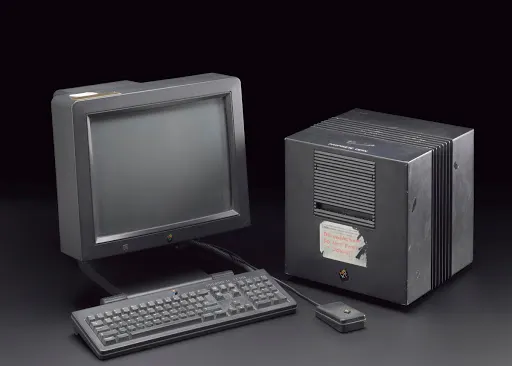
The NeXT Computer used as the world's first web server

The NeXT Computer used as the world's first web server

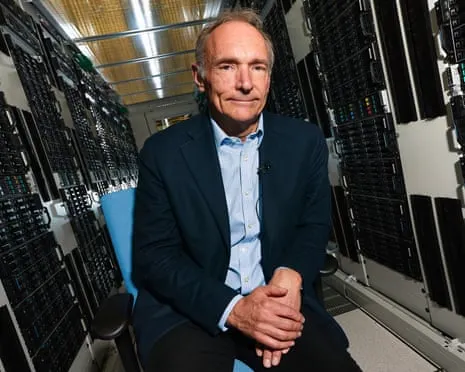
Tim Berners-Lee, inventor of the World Wide Web

Tim Berners-Lee, Inventor of the World Wide Web

While ARPANET laid the physical cables, the digital landscape remained fractured and difficult to navigate. In 1989, British computer scientist Tim Berners-Lee drafted a proposal at CERN to manage general information alongside a tangled web of linked documents.

By 1990, he had coded the first web browser and server. When the WWW software was put into the public domain in 1993, the internet was suddenly democratized. Anyone could create a "page," linking humanity's collective knowledge using HTTP and HTML.

"Vague but exciting..."

- Mike Sendall (Berners-Lee's boss on the original proposal)

The .com Gold Rush

With the web open to the public, businesses flooded the network. The domain name ".com" (commercial) became the most valuable real estate of the decade.

  • 1994: Netscape Navigator launches
  • 1995: Amazon.com sells its first book
  • 1995: eBay (AuctionWeb) is founded
  • 1998: Google fundamentally changes search

A NEW DIGITAL FRONTIER AWAITS

PREPARING TO SURF THE WEB
Error - Unknown Device
X
🛑

UNSUPPORTED DEVICE

Our servers indicate you are attempting to access the World Wide Web from a "mobile phone" or "tablet".

* CRITICAL: These futuristic devices will not be invented for another decade!

Please return to your 56k dial-up modem and bulky CRT monitor to view this 1995 website safely.

OK

THE BUBBLE
BURSTS

Vol. 3 March 10, 2000
Stock market crash symbolism

"Get Big Fast"
Go Broke Faster.

Between 1995 and its peak in March 2000, the NASDAQ composite stock market index surged 400%, fueled by unprecedented speculation in web-based companies.

Investors poured millions into any startup ending in ".com", ignoring traditional metrics like profit, P/E ratios, or even viable business models. Throwing parties was standard; turning a profit was an afterthought.

When capital dried up in late 2000, the implosion was total. Companies like Pets.com, Webvan, and eToys burned through hundreds of millions before abruptly shutting off their servers forever.

From the Ashes: The Survivors

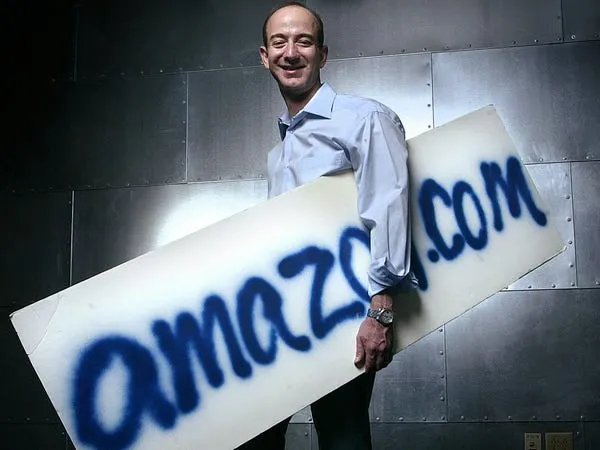
Jeff Bezos in early Amazon days

Founded by Jeff Bezos as an online bookstore, Amazon famously told investors they wouldn't see profits for years. Their stock plummeted from $107 to $6 during the crash.

By strictly prioritizing market share and infrastructure over short-term returns, they survived the purge to become the largest online retailer in the world.

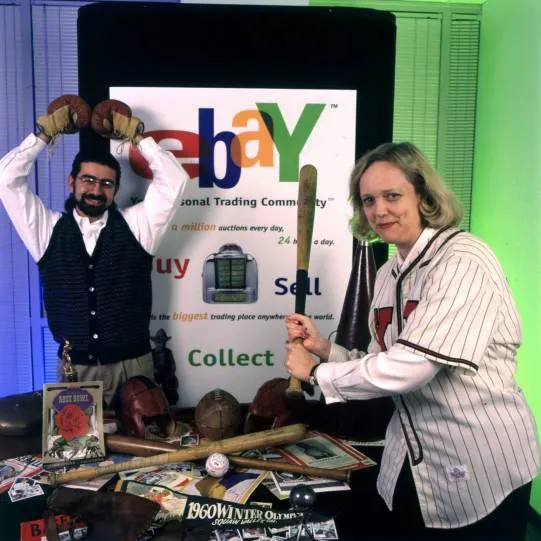
eBay founders in the early days

Starting simply as "AuctionWeb" by Pierre Omidyar, eBay was unique: it was genuinely profitable from day one. Instead of holding massive inventory, they simply connected buyers with sellers for a tiny fee.

While others burned cash on Super Bowl ads, eBay quietly built a monopoly on digital auctions, weathering the storm with incredibly high margins.

The Next Paradigm

The crash wiped the slate clean. The gimmicks died, but the infrastructure—thousands of miles of fiber-optic cable laid during the boom—remained. The surviving algorithms, search engines, and social protocols quietly laid the bedrock for what was coming next: Web 2.0.

NASDAQ 78%PETS.COM 99%AMAZON 94%WEBVAN 94%ETOYS 99%EBAY SURVIVESINFOSEEK 88%THEGLOBE.COM 97%WORLDCOM 99%GEOCITIES 85%NASDAQ 78%PETS.COM 99%AMAZON 94%WEBVAN 94%ETOYS 99%EBAY SURVIVESINFOSEEK 88%THEGLOBE.COM 97%WORLDCOM 99%GEOCITIES 85%
END OF VOL. 3

2004

The Social Web

READ-WRITE
SOCIETY

Vol. 4 • February 2004

The Harvard
Experiment

Young Mark Zuckerberg
19-Year-Old Mark Zuckerberg, 2004

In a crammed dorm room in Kirkland House at Harvard University, an empire was quietly compiling. It wasn’t a search engine, nor was it a marketplace to sell old electronics. It was a digital directory of faces.

They called it "ThefaceBook". What began as an exclusive network for ivy-league students fundamentally rewired how humanity interacts. For the first time, users weren't anonymous avatars behind screen names; they were forced to use their real identities.

"Move fast and break things. Unless you are breaking stuff, you are not moving fast enough." — M. Zuckerberg

He became the undisputed protagonist of Web 2.0. As others fell away, Zuckerberg evolved from a hacker in a hoodie to the architect of a platform that would soon dwarf the global population of most continents, setting the stage for total digital consolidation.

Zuckerberg demonstrates TheFacebook on CNBC, 2004

The Demo That Changed Everything

A young Mark Zuckerberg showing off Facebook on CNBC. What started in a Harvard dorm room was about to consume the entire planet. The interviewer had no idea they were looking at the future of human communication.

Source: CNBC Archives

Broadcast
Yourself

YouTube Founders
REC

Before 2005, sharing a video on the internet meant painfully downloading a `.wmv` file. Then YouTube changed everything. Founded by Jawed Karim, Steve Chen, and Chad Hurley, they introduced embedded Flash video to the masses. Their first upload, "Me at the zoo," went live in April 2005. Just 18 months later, Google acquired YouTube for $1.65 billion.

140 Characters

Jack Dorsey
@jack

Born from a podcasting startup called Odeo, Jack Dorsey's "twttr" forced the world into brevity. SMS-based status updates became the global town square, giving real-time voice to revolutions, celebrities, and presidents alike, restricted simply to 140 bytes of data.

"just setting up my twttr"
— March 21, 2006
END OF VOL. 4

2008

Digital Consolidation

ZUCKERBERG'S
EMPIRE

Vol. 5 • 2008–2016

The Youngest
Billionaire

Facebook's explosive popularity
Facebook's meteoric rise, 2004–2008

In 2008, at the age of just 23, Mark Zuckerberg became the world's youngest self-made billionaire. Facebook had exploded from a college network to a global platform with over 100 million active users.

The platform's valuation soared to $15 billion after Microsoft invested $240 million for a 1.6% stake. What started in a Harvard dorm room was now worth more than most Fortune 500 companies. Zuckerberg wasn't just building a social network—he was building an empire.

"In a world that's changing really quickly, the only strategy that is guaranteed to fail is not taking risks." — Mark Zuckerberg

The Acquisitions

  • 2012Instagram acquired for $1 Billion13 employees. 30 million users. Facebook saw the future of mobile photo-sharing and struck before anyone else could.
  • 2013Snapchat rejects $3 Billion offerEvan Spiegel, just 23 years old, turned down Zuckerberg. The X-factor? Disappearing "Stories". Facebook would never forget this rejection.
  • 2014WhatsApp acquired for $19 BillionThe largest tech acquisition in history at the time. 450 million users. $4B cash + $12B stock + $3B restricted units. The messaging wars were won overnight.
  • 2016Instagram Stories launchIf you can't buy them, copy them. Instagram CEO Kevin Systrom openly admitted copying Snapchat's Stories. Within a year, Instagram Stories surpassed Snapchat's daily users.

The Instagram
Deal

Instagram Acquisition
$1B • 2012

When Facebook acquired Instagram in April 2012 for $1 billion, the photo-sharing app had just 13 employees and 30 million users. Critics called it overpaying. Today, Instagram generates over $20 billion annually in ad revenue. It may be the greatest tech acquisition ever made.

The Snapchat
Rejection

Snapchat
REJECTED • 2013

In 2013, Zuckerberg offered Evan Spiegel $3 billion for Snapchat—some reports suggest the real offer was $6 billion. Spiegel refused. The X-factor was Snapchat's "Stories"—ephemeral content that vanished after 24 hours. Unable to acquire, Facebook was alleged to have directly copied the feature onto Instagram in August 2016.

The WhatsApp
Mega-Deal

WhatsApp Acquisition
$19B • 2014

Facebook acquired WhatsApp in February 2014 for an initial $16 billion ($4B cash + $12B stock), plus $3B in restricted stock units. By the time the deal closed in October 2014, rising share prices pushed the total to nearly $19 billion—the largest tech acquisition in history at the time. WhatsApp had 450 million users and just 55 employees.

Mark Zuckerberg's Digital Dominance

Total Digital
Consolidation

By 2016, Facebook controlled Facebook, Instagram, WhatsApp, and Messenger—four of the world's five most-used social apps. One man. One company. Billions of users.

Is This Dominance Dangerous?

"When one company controls Facebook, Instagram, WhatsApp, and Messenger—the four apps where billions spend their daily digital lives—that is not innovation. That is a monopoly wearing a hoodie."

— Editorial Board Opinion

By 2016, one man controlled the communication channels of nearly 3 billion people. Supporters called it visionary consolidation—bringing the world's social fabric under one efficient roof. Critics saw something far darker: an unprecedented monopoly on human attention.

The acquisitions weren't just about growth. They were about eliminating competition. Instagram was bought before it could challenge Facebook Mobile. WhatsApp was bought before it could become the world's default messaging layer outside of Facebook. And when Snapchat refused to sell? Its core feature was cloned within months.

Privacy advocates raised alarms as user data from all four platforms was gradually merged. The Cambridge Analytica scandal of 2018 would later reveal the true cost: personal data weaponized for political manipulation, affecting elections worldwide.

Antitrust investigations launched across the US, EU, and India. The FTC filed a landmark lawsuit in 2020, arguing Facebook had maintained its monopoly through anticompetitive acquisitions. The trial, stretching into 2025, remains one of the most consequential tech cases in history.

Should any single entity control how billions communicate, share, and perceive reality?

END OF VOL. 5

2009

The Decentralized Web

TRUSTLESS
TIMES

Vol. 6 • 2009-2022

The Genesis Block:
A Ghost Writes The Future

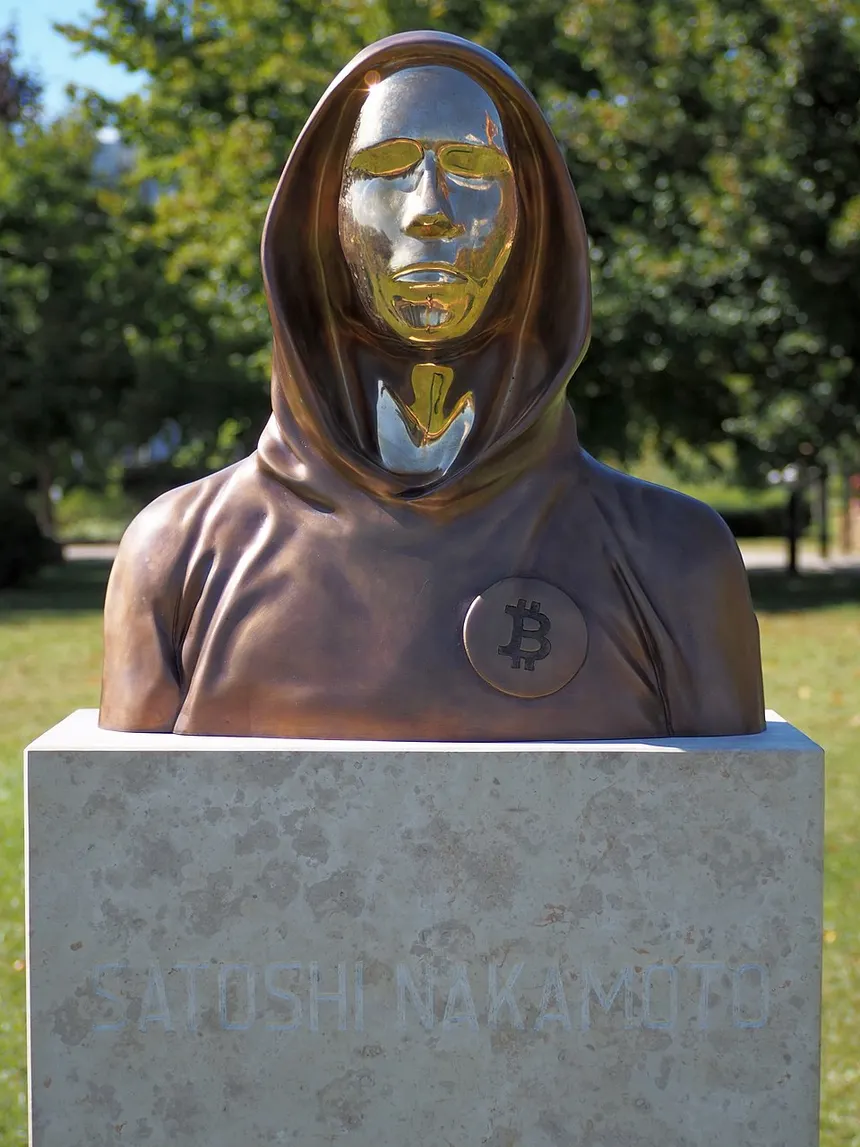
Satoshi Nakamoto Statue

The Anonymous Creator: Satoshi Nakamoto

On January 3rd, 2009, a pseudonymous figure known only as Satoshi Nakamoto mined the first block of a radical new technology called Bitcoin. Embedded in that genesis block was a message from The Times: "Chancellor on brink of second bailout for banks." It was a declaration of war against centralized finance.

Nine days later, Nakamoto sent 10 BTC to cryptographer Hal Finney — the first peer-to-peer digital currency transaction in history. There were no banks, no middlemen, no permission required. The code was the law, and the blockchain was the judge.

"If you don't believe it or don't get it, I don't have the time to try to convince you, sorry." — Satoshi Nakamoto

On May 22, 2010, programmer Laszlo Hanyecz paid 10,000 BTC for two pizzas — a transaction worth over $700 million at Bitcoin's peak. It became known as Bitcoin Pizza Day, the most expensive meal in human history.

Bitcoin and Ethereum

Bitcoin & Ethereum: The Twin Pillars of Web 3.0

Smart Contracts & DApps

In 2015, 21-year-old Vitalik Buterinlaunched Ethereum — a programmable blockchain that could execute "smart contracts." Suddenly, developers could build decentralized applications without anyone's permission. DeFi (Decentralized Finance) was born: lending, borrowing, and trading without a single bank involved.

Ethereum Launch: July 30, 2015

The Most Expensive JPEGs In History

Bored Ape #8585
#8585

Bored Ape #8585

696.969 ETH (~$2.7M) • Oct 2021

One of the rarest apes in the collection, #8585 shattered records when it sold for nearly 697 ETH. Its gold fur and laser eyes made it a trophy for the crypto elite.

CryptoPunk #5822
#5822

CryptoPunk #5822

8,000 ETH (~$23.7M) • Feb 12, 2022

One of only 9 "Alien" CryptoPunks ever minted, #5822 was purchased by Deepak Thapliyal, CEO of Chain, setting the all-time CryptoPunk sales record.

The NFT
Explosion

In March 2021, digital artist Beeple sold an NFT titled "Everydays: The First 5000 Days" for a staggering $69.3 million at Christie's auction house. The Bored Ape Yacht Club hit a floor price of $420,000. Trading volume on platforms like OpenSea and Rarible peaked at $17 billion in January 2022. Digital art wasn't just pixels anymore — it was gold.

Enter The
Metaverse

On October 28, 2021, Mark Zuckerberg made the most audacious corporate rebrand in history. Facebook — the company that defined social media — renamed itself Meta. Zuckerberg bet everything on the metaverse: a persistent, immersive virtual world where people would work, play, and live.

Zuckerberg Announces Meta, Oct 2021

The Sandbox was valued at $4 billion. Virtual land plots sold for millions. Celebrities, brands, and investors raced to stake their claim in the digital frontier. It felt like the dot-com boom all over again — but this time, everyone was sure it was different.

"The metaverse is the next chapter for the internet."
— Mark Zuckerberg, Oct 28, 2021
END OF VOL. 6

2022

The Reckoning

DIGITAL ASHES
GAZETTE

Vol. 7 • 2022–2026

The $64 Billion
Bonfire

Meta Reality Labs Losses
Meta Reality Labs: $64.35B in Cumulative Losses

Mark Zuckerberg's audacious bet on the metaverse became the most expensive corporate gamble in history. Meta's Reality Labs division hemorrhaged money at an accelerating pace: $6.62B in 2020, $10.19B in 2021, $13.71B in 2022, $16.12B in 2023, and a staggering $17.71B in 2024.

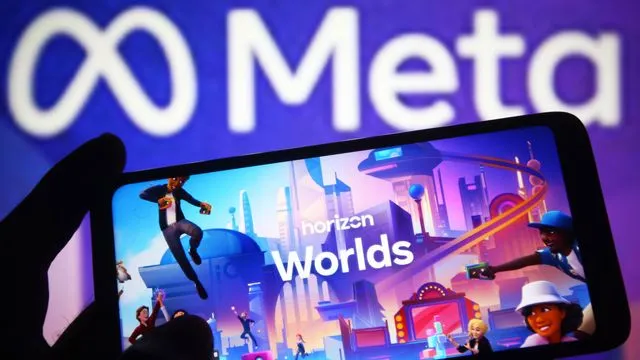
The total: $64.35 billion burned in five years. Meta Horizon Worlds — the flagship virtual reality platform — is now being sunset. The VR version will be removed from the Quest store by March 2026, with no new VR games in development. The company pivoted to AI and smart glasses, quietly admitting the metaverse dream was premature.

"We are shifting focus to mobile for Horizon Worlds and investing in AI." — Andrew Bosworth, Meta CTO

Meta Horizon Worlds

Meta Horizon Worlds: The Empty Promise

Year-By-Year Losses

2020-$6.62B
2021-$10.19B
2022-$13.71B
2023-$16.12B
2024-$17.71B

Total: $64.35 Billion

Meme Coin Graveyard

Thousands of meme coins were minted and abandoned. Dogecoin clones, Shiba Inu derivatives, and countless "next big thing" tokens flooded the market. Rug pulls became routine — developers would hype a token, pump the price, then vanish with investor funds.

Zero Utility. Zero Future.

Meme Coins
WORTHLESS

The Meme Coin Graveyard

The NFT
Graveyard

NFT Trading Volume▼ 97%

$17 Billion (Jan 2022) → $466 Million (Sep 2022)

Avg NFT Price▼ 92%

$3,894 → $293

Bored Ape Floor▼ 340%

$420,000 → $80,000

The speculative frenzy evaporated almost overnight. NFT trading volume crashed 97% in eight months. Profile pictures that sold for hundreds of thousands became worthless JPEGs. The Bored Ape Yacht Club, once the symbol of digital status, saw its floor price collapse from $420K to $80K.

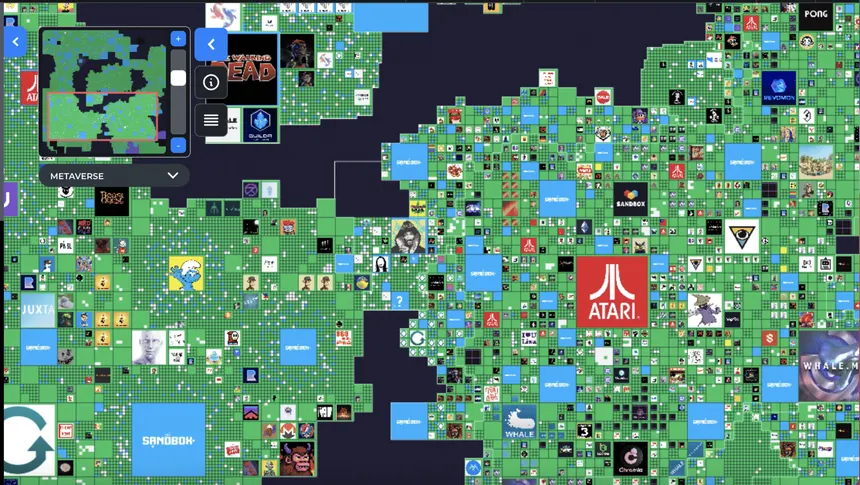
The Sandbox
Ghost Town

The Sandbox Metaverse
ABANDONED

The Sandbox, once valued at $4 billion, cratered to $1 billion. Global brands like Atari and celebrities like Snoop Dogg had invested heavily in its virtual real estate. Yet, daily active users plummeted to a few hundred — many suspected to be bots. Over 50% of the workforce was laid off. The founders stepped back. Virtual land that sold for millions became worthless digital dirt.

"Meme coins with no utility, rug pulls, and pump-and-dumps became the defining legacy of Web 3.0's speculative era."
— The Digital Ashes Gazette

After the billions burned and the trust broken, does the decentralized dream still have a future, or was it just a digital mirage?

END OF VOL. 7

The Editor's Desk

CLASSIFIEDS // HISTORICAL ARCHIVE SECTION 00 // THE HYPERTEXT HERALD EST. 2026 // FROM ARPANET TO WEB3 //WANTED: WEB DEVELOPERS FOR THE NEXT FRONTIER // LOST: 1 MILLION BITCOIN ON A HARD DRIVE //FOUND: THE MEANING OF DECENTRALIZATION //

CLASSIFIEDS // HISTORICAL ARCHIVE SECTION 01 // THE HYPERTEXT HERALD EST. 2026 // FROM ARPANET TO WEB3 //WANTED: WEB DEVELOPERS FOR THE NEXT FRONTIER // LOST: 1 MILLION BITCOIN ON A HARD DRIVE //FOUND: THE MEANING OF DECENTRALIZATION //
CLASSIFIEDS // HISTORICAL ARCHIVE SECTION 02 // THE HYPERTEXT HERALD EST. 2026 // FROM ARPANET TO WEB3 //WANTED: WEB DEVELOPERS FOR THE NEXT FRONTIER // LOST: 1 MILLION BITCOIN ON A HARD DRIVE //FOUND: THE MEANING OF DECENTRALIZATION //
CLASSIFIEDS // HISTORICAL ARCHIVE SECTION 03 // THE HYPERTEXT HERALD EST. 2026 // FROM ARPANET TO WEB3 //WANTED: WEB DEVELOPERS FOR THE NEXT FRONTIER // LOST: 1 MILLION BITCOIN ON A HARD DRIVE //FOUND: THE MEANING OF DECENTRALIZATION //

CLASSIFIEDS // HISTORICAL ARCHIVE SECTION 04 // THE HYPERTEXT HERALD EST. 2026 // FROM ARPANET TO WEB3 //WANTED: WEB DEVELOPERS FOR THE NEXT FRONTIER // LOST: 1 MILLION BITCOIN ON A HARD DRIVE //FOUND: THE MEANING OF DECENTRALIZATION //
CLASSIFIEDS // HISTORICAL ARCHIVE SECTION 05 // THE HYPERTEXT HERALD EST. 2026 // FROM ARPANET TO WEB3 //WANTED: WEB DEVELOPERS FOR THE NEXT FRONTIER // LOST: 1 MILLION BITCOIN ON A HARD DRIVE //FOUND: THE MEANING OF DECENTRALIZATION //
CLASSIFIEDS // HISTORICAL ARCHIVE SECTION 06 // THE HYPERTEXT HERALD EST. 2026 // FROM ARPANET TO WEB3 //WANTED: WEB DEVELOPERS FOR THE NEXT FRONTIER // LOST: 1 MILLION BITCOIN ON A HARD DRIVE //FOUND: THE MEANING OF DECENTRALIZATION //

CLASSIFIEDS // HISTORICAL ARCHIVE SECTION 07 // THE HYPERTEXT HERALD EST. 2026 // FROM ARPANET TO WEB3 //WANTED: WEB DEVELOPERS FOR THE NEXT FRONTIER // LOST: 1 MILLION BITCOIN ON A HARD DRIVE //FOUND: THE MEANING OF DECENTRALIZATION //

CLASSIFIEDS // HISTORICAL ARCHIVE SECTION 08 // THE HYPERTEXT HERALD EST. 2026 // FROM ARPANET TO WEB3 //WANTED: WEB DEVELOPERS FOR THE NEXT FRONTIER // LOST: 1 MILLION BITCOIN ON A HARD DRIVE //FOUND: THE MEANING OF DECENTRALIZATION //

CLASSIFIEDS // HISTORICAL ARCHIVE SECTION 09 // THE HYPERTEXT HERALD EST. 2026 // FROM ARPANET TO WEB3 //WANTED: WEB DEVELOPERS FOR THE NEXT FRONTIER // LOST: 1 MILLION BITCOIN ON A HARD DRIVE //FOUND: THE MEANING OF DECENTRALIZATION //

CLASSIFIEDS // HISTORICAL ARCHIVE SECTION 010 // THE HYPERTEXT HERALD EST. 2026 // FROM ARPANET TO WEB3 //WANTED: WEB DEVELOPERS FOR THE NEXT FRONTIER // LOST: 1 MILLION BITCOIN ON A HARD DRIVE //FOUND: THE MEANING OF DECENTRALIZATION //

CLASSIFIEDS // HISTORICAL ARCHIVE SECTION 011 // THE HYPERTEXT HERALD EST. 2026 // FROM ARPANET TO WEB3 //WANTED: WEB DEVELOPERS FOR THE NEXT FRONTIER // LOST: 1 MILLION BITCOIN ON A HARD DRIVE //FOUND: THE MEANING OF DECENTRALIZATION //

CLASSIFIEDS // HISTORICAL ARCHIVE SECTION 012 // THE HYPERTEXT HERALD EST. 2026 // FROM ARPANET TO WEB3 //WANTED: WEB DEVELOPERS FOR THE NEXT FRONTIER // LOST: 1 MILLION BITCOIN ON A HARD DRIVE //FOUND: THE MEANING OF DECENTRALIZATION //

CLASSIFIEDS // HISTORICAL ARCHIVE SECTION 013 // THE HYPERTEXT HERALD EST. 2026 // FROM ARPANET TO WEB3 //WANTED: WEB DEVELOPERS FOR THE NEXT FRONTIER // LOST: 1 MILLION BITCOIN ON A HARD DRIVE //FOUND: THE MEANING OF DECENTRALIZATION //

CLASSIFIEDS // HISTORICAL ARCHIVE SECTION 014 // THE HYPERTEXT HERALD EST. 2026 // FROM ARPANET TO WEB3 //WANTED: WEB DEVELOPERS FOR THE NEXT FRONTIER // LOST: 1 MILLION BITCOIN ON A HARD DRIVE //FOUND: THE MEANING OF DECENTRALIZATION //
CLASSIFIEDS // HISTORICAL ARCHIVE SECTION 015 // THE HYPERTEXT HERALD EST. 2026 // FROM ARPANET TO WEB3 //WANTED: WEB DEVELOPERS FOR THE NEXT FRONTIER // LOST: 1 MILLION BITCOIN ON A HARD DRIVE //FOUND: THE MEANING OF DECENTRALIZATION //

CLASSIFIEDS // HISTORICAL ARCHIVE SECTION 016 // THE HYPERTEXT HERALD EST. 2026 // FROM ARPANET TO WEB3 //WANTED: WEB DEVELOPERS FOR THE NEXT FRONTIER // LOST: 1 MILLION BITCOIN ON A HARD DRIVE //FOUND: THE MEANING OF DECENTRALIZATION //

CLASSIFIEDS // HISTORICAL ARCHIVE SECTION 017 // THE HYPERTEXT HERALD EST. 2026 // FROM ARPANET TO WEB3 //WANTED: WEB DEVELOPERS FOR THE NEXT FRONTIER // LOST: 1 MILLION BITCOIN ON A HARD DRIVE //FOUND: THE MEANING OF DECENTRALIZATION //

CLASSIFIEDS // HISTORICAL ARCHIVE SECTION 018 // THE HYPERTEXT HERALD EST. 2026 // FROM ARPANET TO WEB3 //WANTED: WEB DEVELOPERS FOR THE NEXT FRONTIER // LOST: 1 MILLION BITCOIN ON A HARD DRIVE //FOUND: THE MEANING OF DECENTRALIZATION //

CLASSIFIEDS // HISTORICAL ARCHIVE SECTION 019 // THE HYPERTEXT HERALD EST. 2026 // FROM ARPANET TO WEB3 //WANTED: WEB DEVELOPERS FOR THE NEXT FRONTIER // LOST: 1 MILLION BITCOIN ON A HARD DRIVE //FOUND: THE MEANING OF DECENTRALIZATION //

CLASSIFIEDS // HISTORICAL ARCHIVE SECTION 020 // THE HYPERTEXT HERALD EST. 2026 // FROM ARPANET TO WEB3 //WANTED: WEB DEVELOPERS FOR THE NEXT FRONTIER // LOST: 1 MILLION BITCOIN ON A HARD DRIVE //FOUND: THE MEANING OF DECENTRALIZATION //

CLASSIFIEDS // HISTORICAL ARCHIVE SECTION 021 // THE HYPERTEXT HERALD EST. 2026 // FROM ARPANET TO WEB3 //WANTED: WEB DEVELOPERS FOR THE NEXT FRONTIER // LOST: 1 MILLION BITCOIN ON A HARD DRIVE //FOUND: THE MEANING OF DECENTRALIZATION //

CLASSIFIEDS // HISTORICAL ARCHIVE SECTION 022 // THE HYPERTEXT HERALD EST. 2026 // FROM ARPANET TO WEB3 //WANTED: WEB DEVELOPERS FOR THE NEXT FRONTIER // LOST: 1 MILLION BITCOIN ON A HARD DRIVE //FOUND: THE MEANING OF DECENTRALIZATION //
CLASSIFIEDS // HISTORICAL ARCHIVE SECTION 023 // THE HYPERTEXT HERALD EST. 2026 // FROM ARPANET TO WEB3 //WANTED: WEB DEVELOPERS FOR THE NEXT FRONTIER // LOST: 1 MILLION BITCOIN ON A HARD DRIVE //FOUND: THE MEANING OF DECENTRALIZATION //

CLASSIFIEDS // HISTORICAL ARCHIVE SECTION 024 // THE HYPERTEXT HERALD EST. 2026 // FROM ARPANET TO WEB3 //WANTED: WEB DEVELOPERS FOR THE NEXT FRONTIER // LOST: 1 MILLION BITCOIN ON A HARD DRIVE //FOUND: THE MEANING OF DECENTRALIZATION //
CLASSIFIEDS // HISTORICAL ARCHIVE SECTION 025 // THE HYPERTEXT HERALD EST. 2026 // FROM ARPANET TO WEB3 //WANTED: WEB DEVELOPERS FOR THE NEXT FRONTIER // LOST: 1 MILLION BITCOIN ON A HARD DRIVE //FOUND: THE MEANING OF DECENTRALIZATION //

CLASSIFIEDS // HISTORICAL ARCHIVE SECTION 026 // THE HYPERTEXT HERALD EST. 2026 // FROM ARPANET TO WEB3 //WANTED: WEB DEVELOPERS FOR THE NEXT FRONTIER // LOST: 1 MILLION BITCOIN ON A HARD DRIVE //FOUND: THE MEANING OF DECENTRALIZATION //

CLASSIFIEDS // HISTORICAL ARCHIVE SECTION 027 // THE HYPERTEXT HERALD EST. 2026 // FROM ARPANET TO WEB3 //WANTED: WEB DEVELOPERS FOR THE NEXT FRONTIER // LOST: 1 MILLION BITCOIN ON A HARD DRIVE //FOUND: THE MEANING OF DECENTRALIZATION //

CLASSIFIEDS // HISTORICAL ARCHIVE SECTION 028 // THE HYPERTEXT HERALD EST. 2026 // FROM ARPANET TO WEB3 //WANTED: WEB DEVELOPERS FOR THE NEXT FRONTIER // LOST: 1 MILLION BITCOIN ON A HARD DRIVE //FOUND: THE MEANING OF DECENTRALIZATION //

CLASSIFIEDS // HISTORICAL ARCHIVE SECTION 029 // THE HYPERTEXT HERALD EST. 2026 // FROM ARPANET TO WEB3 //WANTED: WEB DEVELOPERS FOR THE NEXT FRONTIER // LOST: 1 MILLION BITCOIN ON A HARD DRIVE //FOUND: THE MEANING OF DECENTRALIZATION //

CLASSIFIEDS // HISTORICAL ARCHIVE SECTION 030 // THE HYPERTEXT HERALD EST. 2026 // FROM ARPANET TO WEB3 //WANTED: WEB DEVELOPERS FOR THE NEXT FRONTIER // LOST: 1 MILLION BITCOIN ON A HARD DRIVE //FOUND: THE MEANING OF DECENTRALIZATION //

CLASSIFIEDS // HISTORICAL ARCHIVE SECTION 031 // THE HYPERTEXT HERALD EST. 2026 // FROM ARPANET TO WEB3 //WANTED: WEB DEVELOPERS FOR THE NEXT FRONTIER // LOST: 1 MILLION BITCOIN ON A HARD DRIVE //FOUND: THE MEANING OF DECENTRALIZATION //

CLASSIFIEDS // HISTORICAL ARCHIVE SECTION 032 // THE HYPERTEXT HERALD EST. 2026 // FROM ARPANET TO WEB3 //WANTED: WEB DEVELOPERS FOR THE NEXT FRONTIER // LOST: 1 MILLION BITCOIN ON A HARD DRIVE //FOUND: THE MEANING OF DECENTRALIZATION //

CLASSIFIEDS // HISTORICAL ARCHIVE SECTION 033 // THE HYPERTEXT HERALD EST. 2026 // FROM ARPANET TO WEB3 //WANTED: WEB DEVELOPERS FOR THE NEXT FRONTIER // LOST: 1 MILLION BITCOIN ON A HARD DRIVE //FOUND: THE MEANING OF DECENTRALIZATION //

CLASSIFIEDS // HISTORICAL ARCHIVE SECTION 034 // THE HYPERTEXT HERALD EST. 2026 // FROM ARPANET TO WEB3 //WANTED: WEB DEVELOPERS FOR THE NEXT FRONTIER // LOST: 1 MILLION BITCOIN ON A HARD DRIVE //FOUND: THE MEANING OF DECENTRALIZATION //

CLASSIFIEDS // HISTORICAL ARCHIVE SECTION 035 // THE HYPERTEXT HERALD EST. 2026 // FROM ARPANET TO WEB3 //WANTED: WEB DEVELOPERS FOR THE NEXT FRONTIER // LOST: 1 MILLION BITCOIN ON A HARD DRIVE //FOUND: THE MEANING OF DECENTRALIZATION //

CLASSIFIEDS // HISTORICAL ARCHIVE SECTION 036 // THE HYPERTEXT HERALD EST. 2026 // FROM ARPANET TO WEB3 //WANTED: WEB DEVELOPERS FOR THE NEXT FRONTIER // LOST: 1 MILLION BITCOIN ON A HARD DRIVE //FOUND: THE MEANING OF DECENTRALIZATION //

CLASSIFIEDS // HISTORICAL ARCHIVE SECTION 037 // THE HYPERTEXT HERALD EST. 2026 // FROM ARPANET TO WEB3 //WANTED: WEB DEVELOPERS FOR THE NEXT FRONTIER // LOST: 1 MILLION BITCOIN ON A HARD DRIVE //FOUND: THE MEANING OF DECENTRALIZATION //

CLASSIFIEDS // HISTORICAL ARCHIVE SECTION 038 // THE HYPERTEXT HERALD EST. 2026 // FROM ARPANET TO WEB3 //WANTED: WEB DEVELOPERS FOR THE NEXT FRONTIER // LOST: 1 MILLION BITCOIN ON A HARD DRIVE //FOUND: THE MEANING OF DECENTRALIZATION //

CLASSIFIEDS // HISTORICAL ARCHIVE SECTION 039 // THE HYPERTEXT HERALD EST. 2026 // FROM ARPANET TO WEB3 //WANTED: WEB DEVELOPERS FOR THE NEXT FRONTIER // LOST: 1 MILLION BITCOIN ON A HARD DRIVE //FOUND: THE MEANING OF DECENTRALIZATION //

ClassifiedDO NOT DISTRIBUTE

Turn to the
Back Page

A brief word on the architecture, the aesthetic philosophy, and the architect behind The Hypertext Herald.

Read Manifesto

The Publishing Manifesto

I. About the Site

The Hypertext Herald is a passion project built to chronicle the monumental shifts of the internet generation. From the cold war bunkers of ARPANET to the speculative frenzy of Web 3.0, the web's history isn't just about technology—it's about culture, power, and human connection.

Every era demands a different lens. This interactive documentary strips away modern UI conveniences to force a direct confrontation with the raw, textural history of the medium.

II. Design Philosophy

"Breathing Soul Into The Broadsheet"

Before the internet, the world connected through ink and paper. We are bringing that soul back to the digital age. By employing bleeding-edge web technology, we've made the static broadsheet feel alive.

  • Depth & Perspective: Interactive 3D tilt cards blur the line between screen and paper.
  • Living History: Animated SVG timelines trace the actual growth of the network and corporate acquisitions.
  • Cinematic Motion: Videos embed seamlessly into custom 'Daily Prophet' moving photographs.

It is a love letter to the past, built entirely with the tools of the future.

The Architect

Priyansh - System Architect

Priyansh

Frontend Odyssey Hacker

A specialized artisan of the digital frontier, merging raw code with cinematic storytelling.